
Skanderbeg Statue and Et'hem Bey Mosque
© Shutterstock / Dreamer Company

Tirana Aerial View

Skanderbeg Square

Murat Toptani Pedestrian Street

The Pyramid of Tirana

Grand Park Lake Tirana

Tirana Canal View

Namazgah Mosque

Tirana from Panoramic Bar & Restraurant

Tirana Aerial View

Dajti Ekspres Cable Car
CITY
Tirana is the capital of Albania and one of the most colorful and interesting cities in the Balkans. It is small, walkable, and easy to explore in just a few days. The city mixes Ottoman heritage, Italian-style boulevards, communist-era bunkers, and modern cafés and restaurants all in one place.
Most attractions are close to Skanderbeg Square, the main square of Tirana. From here you can walk to museums, mosques, markets, and lively neighborhoods like Blloku in just a few minutes. Public transport and taxis are available, but you will rarely need them.
Tirana is a safe and relaxed city with friendly locals and a growing café culture. It is less crowded than many European capitals, which makes it a pleasant place to explore at a slow pace. Spring and autumn are the best times to visit, with warm weather and fewer tourists.
Below, you will find a complete list of the best things to do in Tirana. For each place, you will see what to expect, how much time to spend, and practical tips for a smooth visit.
© Shutterstock / Dreamer Company

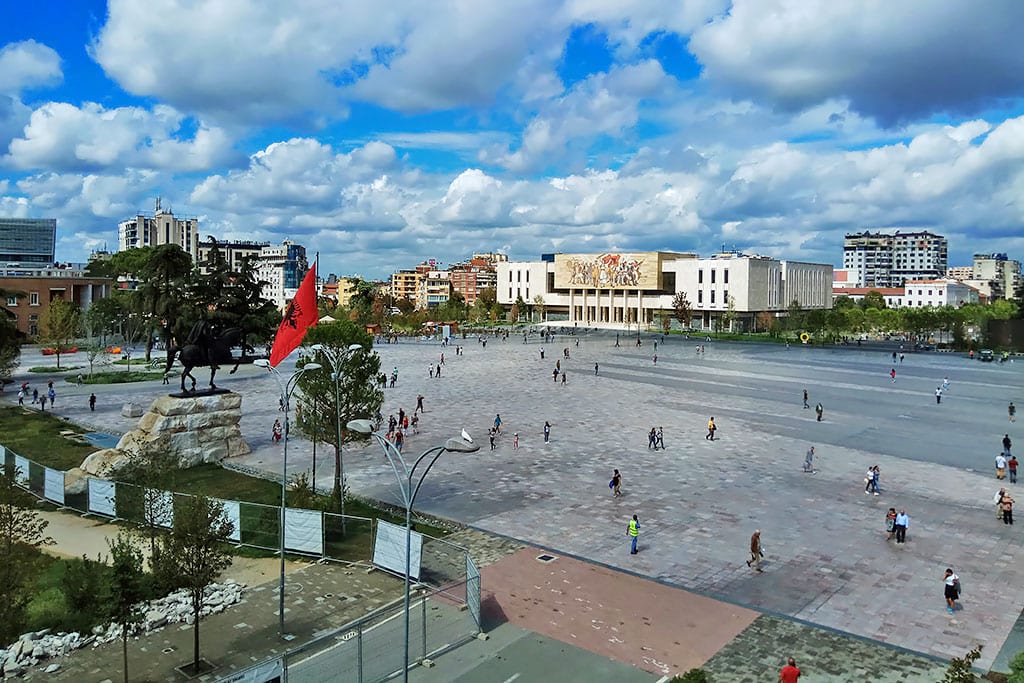


Skanderbeg Square is the main square in the center of Tirana and the heart of the city. It is named after Gjergj Kastrioti Skanderbeg, Albania’s national hero who fought against the Ottoman Empire in the 15th century. In the middle of the square stands a large equestrian statue of Skanderbeg, one of the most famous symbols of Albania.
The square is surrounded by some of Tirana’s most important buildings, including the National History Museum, the Et’hem Bey Mosque, the Clock Tower, and the National Opera House. The area is wide, open, and covered with beautiful stone from all parts of Albania. It’s a popular place for walks, public events, and celebrations.
At night, the lights and fountains make the square especially beautiful. Many cafés and restaurants nearby offer a nice place to relax and watch city life.
Tip: Visit in the evening for a lively atmosphere, or in the morning before crowds arrive. From here, you can easily walk to Bunk’Art 2 and the New Bazaar.


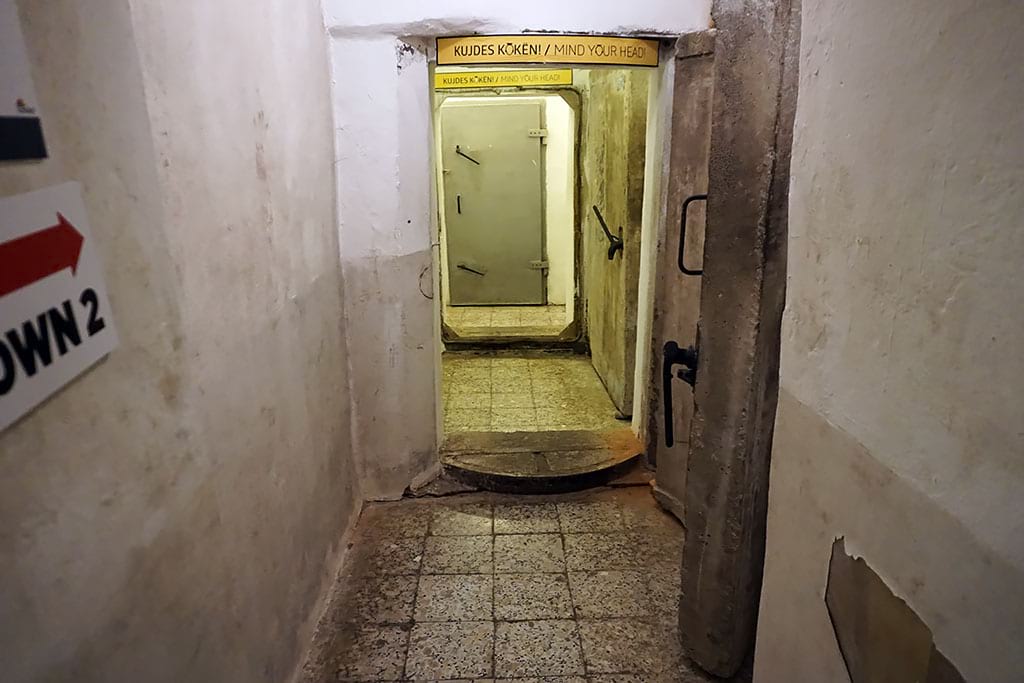

Bunk’Art 1 is a large underground bunker museum on the edge of Tirana. It was built in the early 1980s during the communist time of Enver Hoxha as a safe place for government and army leaders in case of war. The bunker has five floors, about 3,000 m² of space, and 106 rooms made of thick concrete.
Today, it is a museum of history and art that shows Albania’s past from World War II through the communist years to modern times. Visitors walk through a long tunnel into rooms with photos, films, and objects that tell how people lived during that period.
A visit usually takes 1–2 hours, and the air inside is cool, so bring a light jacket. The museum is open daily from morning until evening, and tickets cost about €6.
Tip: Because it is outside the city center, plan extra time for transport. You can also take the cable car to Mount Dajti nearby for great views and a relaxing trip after your visit.

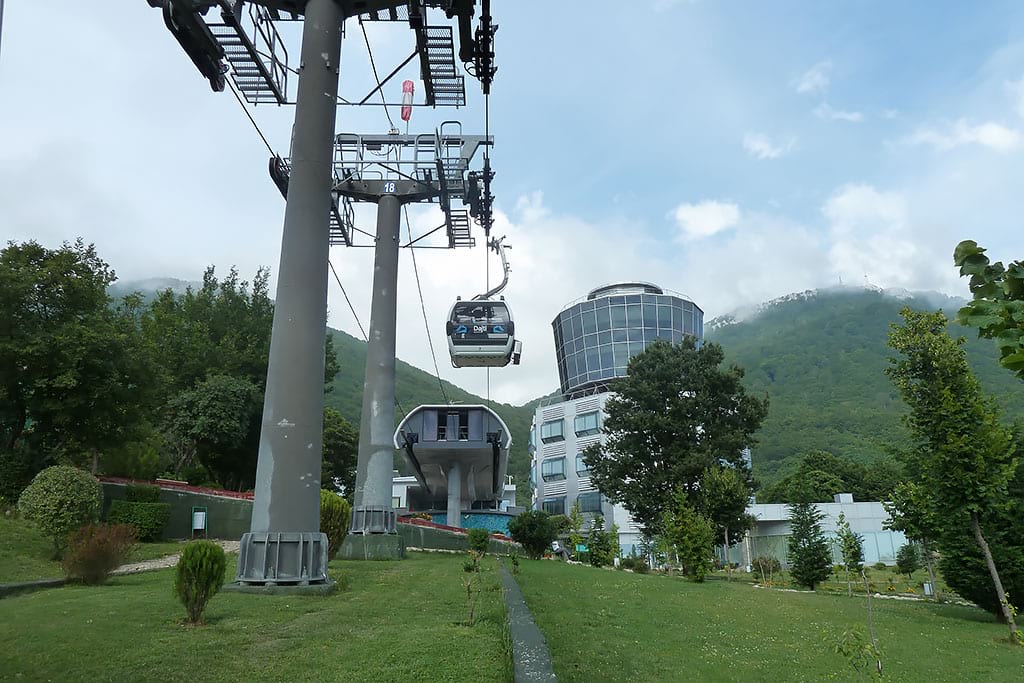

The Dajti Ekspres cable car takes you from the edge of Tirana up to Mount Dajti in about 15 minutes. The ride gives you beautiful views over the city, hills, and countryside. At the top, there are walking paths, restaurants, and a small adventure park.
It’s one of the best ways to escape the city for a few hours and enjoy fresh air. The cable car station is close to Bunk’Art 1, so many visitors do both on the same day. The ticket price is reasonable and includes the return ride.
Tip: Try to go on a clear day for the best views. It can be cooler at the top, so bring a light jacket.
 Official Dajti Ekspres Website


Hidden beneath the city center, Bunk’Art 2 is one of the most fascinating things to do in Tirana. Built in the early 1980s during the Cold War, this secret nuclear bunker was created to protect Albania’s Interior Ministry leaders in case of foreign attack. Known as Objekti Shtylla (“Object Pillar”), it includes 24 rooms, thick reinforced-concrete walls, and an air-filtration system designed for survival.
Today, the bunker serves as a museum that reveals the dark history of communist Albania. Visitors can see offices, interrogation rooms, and exhibits about the Sigurimi secret police, who spied on citizens for decades. Its cracked dome near Skanderbeg Square stands as a lasting reminder of the country’s fear and isolation during that time.
A visit usually takes around an hour, and the museum is open daily from morning until early evening (tickets cost about €6).
Tip: Visit early for a quieter experience and bring a light jacket—the bunker stays cool all year.
The Tirana Free Tour is a walking tour with local guides who explain the city’s history, culture, and daily life. It usually starts at the National History Museum and lasts about 2–2.5 hours. You will see the main landmarks and hear many interesting stories.
The tour is free, but tipping the guide at the end is expected. It’s a good idea to do this on your first day in Tirana so you understand the city better.
Tip: Wear comfortable shoes, bring water, and check their website for the current meeting time.
 Book Free Tour


The Resurrection of Christ Orthodox Cathedral is one of the most beautiful churches in Tirana and one of the largest Orthodox cathedrals in the Balkans. It is located near the city center, only a few minutes’ walk from Skanderbeg Square.
The cathedral was opened in 2012 and became the main church for Albania’s Orthodox community. Its large white dome and tall bell tower can be seen from many parts of the city. Inside, the church is bright and peaceful, with colorful frescoes, icons, and a golden iconostasis. The main dome shows Christ surrounded by angels, painted in the traditional Byzantine style.
Visitors are welcome to enter respectfully, and it is often quiet except during services. Photography may be limited inside, depending on the time of visit.
Tip: The cathedral looks especially beautiful at sunset, when the light shines on its white walls. It’s also close to the Blloku district, where you can enjoy cafés and a relaxing walk.


Et’hem Bey Mosque is one of the oldest buildings in Tirana. It survived the communist period when most religious buildings were closed. The mosque has beautiful wall paintings and wooden details.
It is located on Skanderbeg Square and is free to enter. Non-Muslims are welcome outside prayer times.
Tip: Remove your shoes before entering and wear clothing that covers your shoulders and knees.


Blloku is a lively district full of cafés, bars, restaurants, and shops. During communist times, it was closed to the public and only for government officials. Now it is the most popular place for nightlife and dining.
You can come during the day for coffee or in the evening for dinner and drinks. Prices are reasonable compared to other European capitals.
Tip: Most places accept card, but carrying some cash is useful for small cafés.


The Pyramid of Tirana was built as a museum for the communist leader Enver Hoxha. Later it became abandoned, but now it is renovated into a modern cultural center with stairs to climb to the top.
It is free to enter and fun to walk around. The rooftop gives a nice city view. It is located near Blloku and Skanderbeg Square.
Tip: Come during daylight for the best view and safe climbing.


This is the biggest museum in Albania, located on Skanderbeg Square. It shows the history of the country from ancient times to the present. There are many interesting objects, old maps, and stories about Albania’s past.
There is a small entry fee, and you should plan 1–2 hours here.
Tip: The signs are mostly in Albanian, but you can rent an audio guide in English at the entrance.


This is the largest green space in the city, located just south of the center. It has a big artificial lake, walking paths, cafés, and a playground. Locals come here to walk, run, or relax on the grass.
Entry is free, and it’s a peaceful place to take a break from the busy streets.
Tip: Visit in the morning or late afternoon to avoid the heat in summer.


The House of Leaves is a museum about surveillance and secret police during communist times. It shows how people were watched, recorded, and controlled.
It is small but very interesting if you like history. There is a small entrance fee. You need about 1 hour to see it all.
Tip: Read the descriptions carefully — it gives a good understanding of life under the regime.


Sky Tower is a tall building in the Blloku area. On the top floor, there is a café and bar with 360-degree views of the city and mountains.
You can go up for free if you buy a drink. It is especially beautiful at sunset when the city lights turn on.
Tip: It can be windy on the terrace — bring a light jacket.
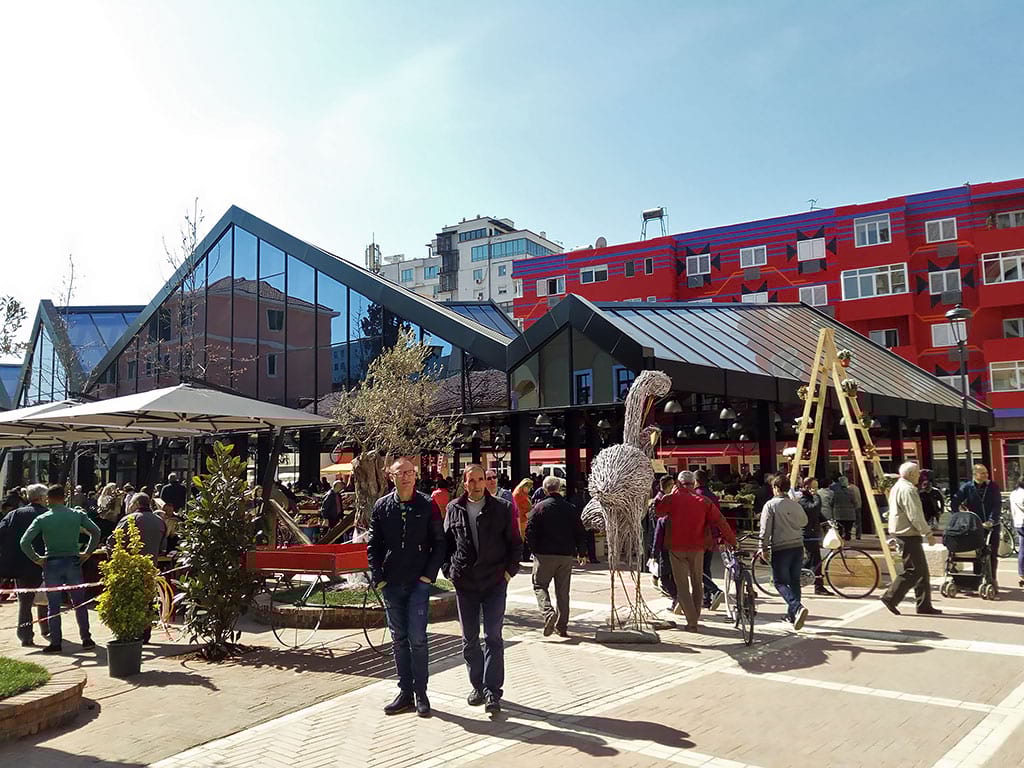

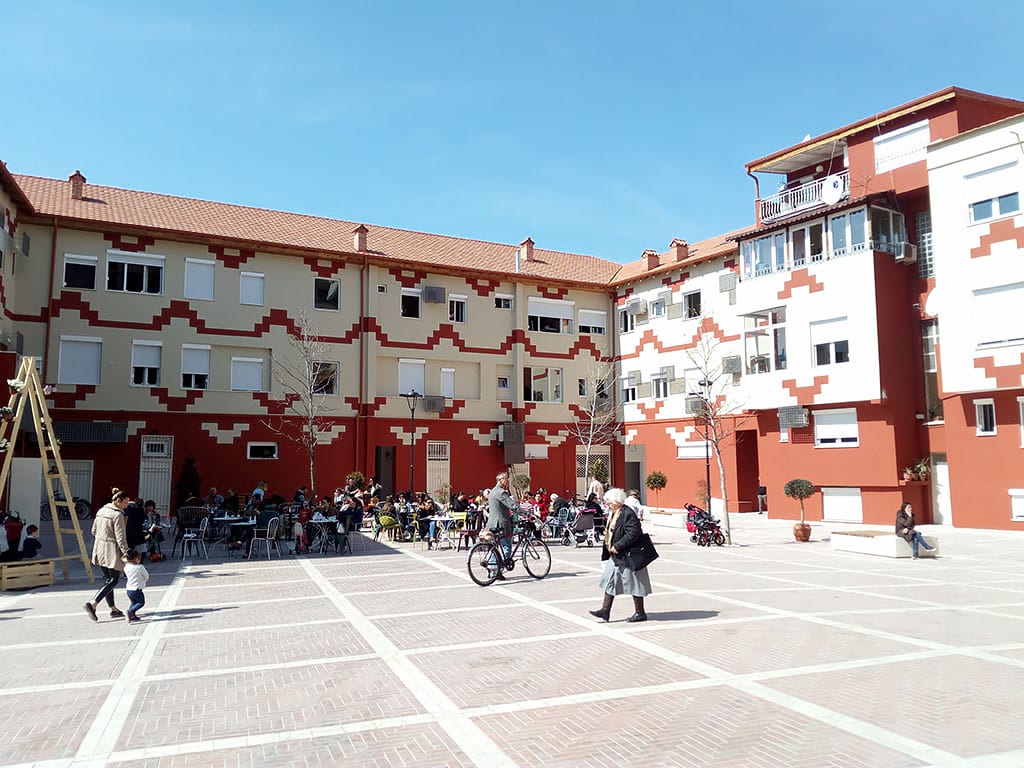
Pazari i Ri is a lively market area near the center. It has colorful buildings, fresh fruit and vegetables, cheese, spices, and local products. Around the market are many small restaurants and cafés.
It is a good place to buy souvenirs or try local food. Prices are low and bargaining is common.
Tip: Come in the morning for the best selection and fewer crowds.


Namazgah Mosque is the largest mosque in Albania and one of the biggest in the Balkans. Opened in 2024, it was built with support from the Turkish government and can hold thousands of worshippers. The mosque has four tall minarets, a large central dome, and a spacious interior decorated with Islamic calligraphy and geometric patterns.
It is located near the Parliament of Albania, just a short walk from Skanderbeg Square. Entry is free, and visitors are welcome outside prayer times. The mosque also has a library, conference hall, and educational spaces, making it not only a place of worship but also a cultural center.
Tip: Dress modestly and remove your shoes before entering. Women may be asked to cover their hair with a scarf. The mosque is especially beautiful to photograph in the evening when it is illuminated.
If you have more than one day in Tirana, the city is a great base for exploring other parts of central Albania. Several beautiful towns and historic sites are close enough for an easy day trip. Here are the three most popular day trips from Tirana.

© Shutterstock / milosk50


Berat is one of the most picturesque towns in Albania and is known as the “City of a Thousand Windows.” Its white Ottoman houses climb the hillside below a large castle, and the views over the valley and the Osum River are fantastic. Inside the castle walls, people still live in old stone houses, and there are churches, mosques, and small museums to explore.
If you want to explore Berat more deeply, read full Things to Do in Berat guide.
Travel time from Tirana: about 1.5–2 hours each way
Typical guided tour length: around 10 hours (full-day tour)
Why visit: UNESCO old town, castle, traditional houses, great views
Time needed: full day is ideal
 Book Berat Tour


Kruja (Krujë) is a historic mountain town strongly linked with Albania’s national hero, Skanderbeg. The castle stands high above the plain with wide views, and the old bazaar below is one of the best places in the country to buy souvenirs such as carpets, copperware, and traditional crafts. It’s close to Tirana, so it works well as a half-day trip.
If you want to explore Kruja more deeply, read full Things to do in Kruja guide.
Travel time from Tirana: about 40–50 minutes each way
Typical guided tour length: around 8 hours (often combined with nearby sights)
Why visit: Skanderbeg’s castle, museum, traditional bazaar, mountain views
Time needed: half-day to relaxed full day
Book Kruja Tour


Durrës is a coastal city on the Adriatic Sea and one of Albania’s oldest ports. It has long sandy beaches, many cafés and restaurants along the seafront, and an impressive Roman amphitheater near the center. In summer, it is a popular place to escape the heat of Tirana and enjoy a day by the sea.
If you want to explore Durrës more deeply, read full Things to do in Durrës guide.
Travel time from Tirana: about 35–45 minutes each way
Typical guided tour length: around 9 hours (full-day tour)
Why visit: beach, sea views, fresh seafood, Roman history
Time needed: half-day or full-day
Book Durrës Tour
Tirana International Airport (TIA) is located about 17 km from the city centre. The airport shuttle bus runs every hour and is the most affordable option. Taxis take 20–30 minutes; agree on the fare or ensure the meter is running. Private transfers are also available. There is currently no train connection between the airport and the city.
The city centre is compact and very walkable, with most attractions 10–20 minutes from Skanderbeg Square. City buses connect major districts and tickets are sold on board. Taxis are relatively affordable — popular apps include Speed Taxi, MerrTaxi, and Taxi.al.
The best seasons are spring (April–June) and autumn (September–October), when temperatures are pleasant. Summers can reach 30–35°C, while winters are mild but rainy, especially November to February.
The official currency is the Albanian lek (ALL). Hotels, larger restaurants, and supermarkets accept credit cards, but cash is preferred in smaller shops and cafés. ATMs are widely available. Tipping (5–10%) is appreciated but not mandatory.
Tirana is generally safe for tourists, including solo travellers. As in any capital city, watch for pickpockets in crowded places and avoid poorly lit areas late at night. The emergency number is 112.
Albanian is the official language. English is widely spoken in hotels, restaurants, and by younger locals. Italian and Greek may also be understood, especially among older generations.
Wi-Fi is available in most hotels, cafés, and restaurants. Local SIM cards (Vodafone, One, Albtelecom) offer inexpensive data plans and can be purchased at mobile shops. You’ll need your passport to register a SIM card.
Casual clothing is acceptable throughout Tirana. When visiting religious sites such as mosques and churches, dress modestly by covering shoulders and knees. Women may be asked to cover their hair in some mosques (scarves are sometimes provided).
Yes. Tirana offers a mix of history, culture, and modern attractions. Highlights include Skanderbeg Square, the Bunk’Art museums, the Grand Park, and its vibrant café culture.
Most visitors find that 2–3 days is the ideal amount of time to explore Tirana comfortably.
If you’re planning day trips to Berat, Kruja, or Shkodra, consider staying 4–5 days.
Generally yes. Use common-sense precautions, avoid empty streets late at night, and keep your belongings secure.
You can take the airport shuttle bus, a taxi, or a pre-booked transfer. Taxis take about 20–30 minutes.
No. Instead, use local ride apps such as Speed Taxi, MerrTaxi, or Taxi.al.
Some tourist-oriented places accept euros, but the Albanian lek (ALL) is the official and preferred currency. For everyday purchases, it’s better to use lek.
No. Albania is outside the EU roaming agreement. Most visitors choose a local SIM card for cheaper data.
Tap water is safe for brushing teeth and washing, but many visitors prefer bottled water for drinking.
Scams are uncommon, but be cautious with currency exchange booths and taxi drivers who refuse to use the meter. Always confirm the fare or check the meter.


